Tuesday, November 22, 2016

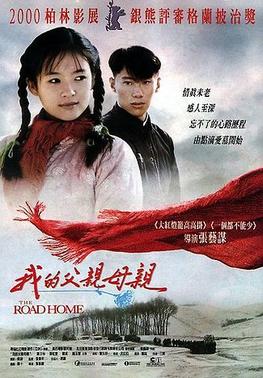
Final Presentation Proposal - Enchanted and The Road Home


Enchanted and The Road Home have many similarities that I’d like to explore further. Zhao Di falls in love with the new school teacher and follows him on the way home after school hours so they’ll meet.

In Enchanted, Giselle reminds Robert that the best way to show his girlfriend he loves her is to bring her flowers or sing to her. The similarity here is in how both protagonists have simplistic ways of getting their love interest to notice them.
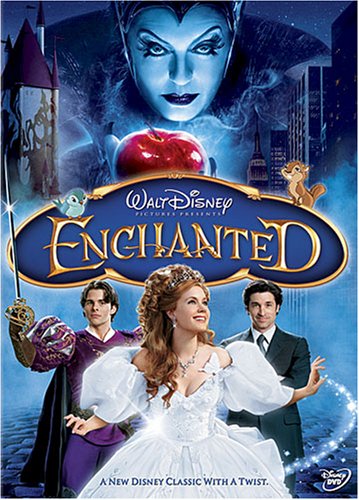


The color red is also a symbol in both films, in that in each it represents hope (through the scarf and banners in The Road Home and in the apple in Enchanted).

Monday, November 21, 2016

Interesting Use of Music


An interesting use of music occurs in The Polar Express (2004) when the kids are about to receive hot chocolate on the train. The music incorporates the sounds of the waiters footsteps/dancing, the chairs revolving, and the tablecloths being put down. Each of the waiters movements are also emphasized by an instrument being played in the background. I thought it was interesting to incorporate sounds as a part of the music, rather than just having them be left as background noise. The music also conveys the mood of the kids in the scene (they are in awe and excited) and the waiters, as the instruments are very light and bouncy to match their dancing.

Water: Cultural Perspective


The film, Water, portrays the livelihood of women widows in India during that time period. Widows were not allowed to remarry because it was considered a sin, although many of them wanted to. Widows also faced poor treatment and suffering. A comment is made in the film when the older widow dies; they hoped she’d be reborn as a man. This comment demonstrates the unhappiness the women found at becoming widows and the treatment they faced because of that status. Alongside the treatment widows faced, the film also included brief scenes that focused on messages from Gandhi’s movement. These scenes demonstrated how public views on the treatment of widows were in the process of changing, including the views from the widows themselves.